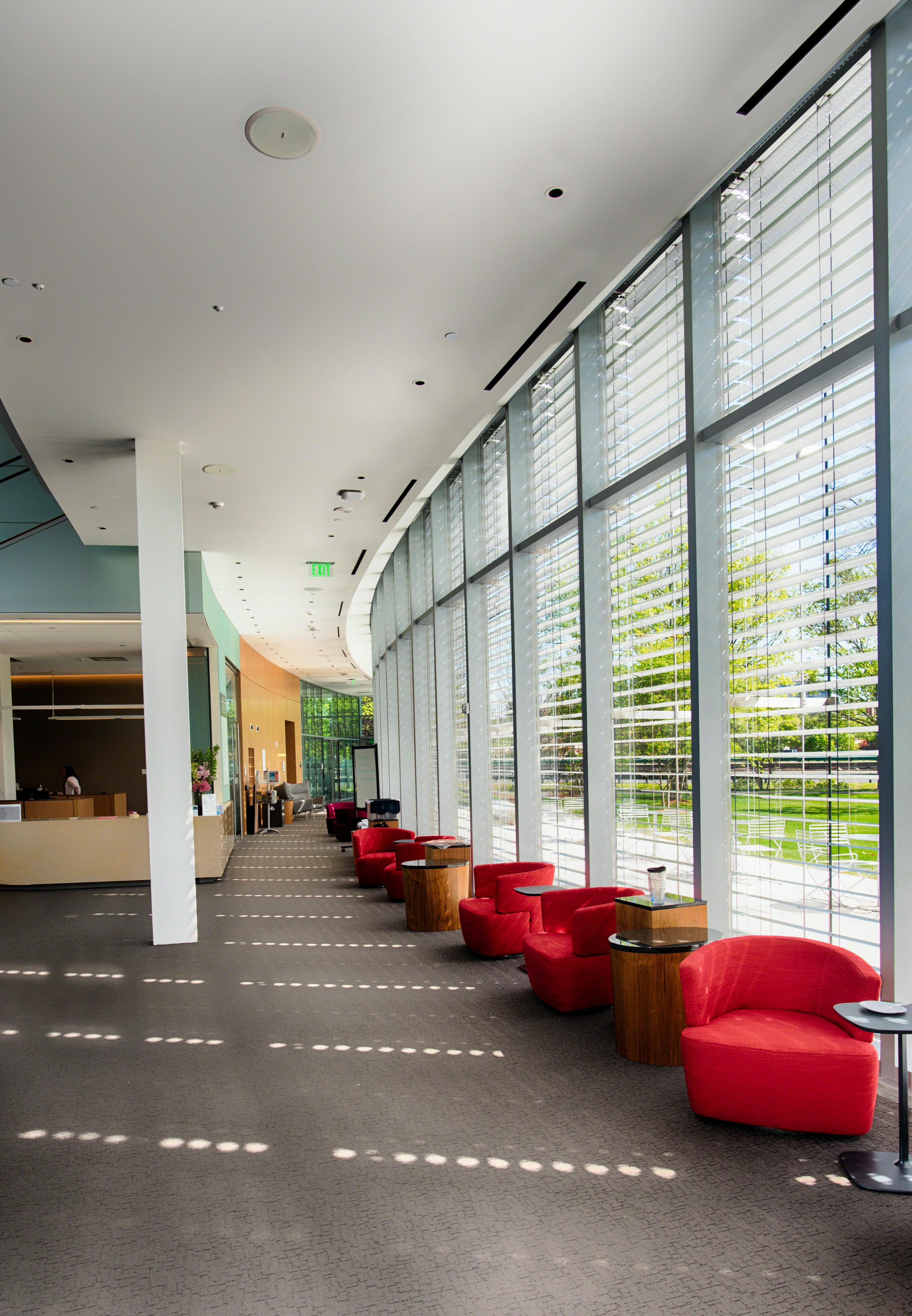
XCube Robotics delivers autonomous solutions designed for large commercial facilities. Our systems help organizations lower labor expenses, improve operational efficiency, and modernize facility management.
Labor is the largest recurring expense in commercial cleaning operations. Rising wages, staffing shortages, and increasing contractor rates are putting sustained pressure on facility budgets.
Traditional cleaning models rely heavily on manual labor, creating variability in both cost and performance. Autonomous cleaning solutions help facilities reduce reliance on repetitive manual tasks while maintaining consistent cleaning quality across large areas.
For most commercial facilities, janitorial labor represents the largest recurring operational expense tied to cleaning. Whether managed internally or outsourced to third-party contractors, cleaning labor costs continue to rise due to wage pressure, turnover, training requirements, and inconsistent staffing availability. Automation provides a structured way to control and optimize these costs without lowering cleaning standards.
Traditional cleaning models depend heavily on manual labor to cover large floor areas. As square footage increases, labor hours scale proportionally. Over time, this creates:
Escalating labor expenses
Overtime and shift premiums
Contractor rate increases
Training and onboarding costs
Autonomous cleaning systems take over repetitive, large-area floor coverage — one of the most labor-intensive tasks in commercial facilities. By reallocating these hours, organizations can:• Reduce total cleaning labor hours per shift
• Minimize reliance on overtime
• Lower long-term contractor exposure
• Stabilize staffing requirements
• Standardize cleaning performance
Automation shifts cleaning from a labor-variable model to a more predictable operational structure.
For single facilities, savings can be meaningful.
For multi-site operators, the impact compounds.
Reducing even a modest number of labor hours per location, per day, can translate into significant annual cost control across an entire portfolio. Standardizing automation across facilities further improves operational alignment and budgeting predictability.
Cleaning automation is not about eliminating jobs. It is about restructuring how labor is deployed. Autonomous systems handle repetitive coverage, while your staff focuses on detail work, supervision, and higher-value responsibilities. This approach maintains standards while introducing long-term cost discipline.
Address Ongoing Labor Shortages in Facility Operations
Autonomous systems operate consistently across cleaning, internal delivery, and structured service workflows — without scheduling conflicts, staffing shortages, or shift variability.
Automation supplements your workforce — it does not replace your team. It stabilizes operations and reduces pressure across departments.
• Maintain consistent operational coverage
• Reduce reliance on overtime staffing
• Minimize schedule gaps caused by turnove
r• Enable 24/7 task execution where required
• Improve predictability across facility operations
Across warehousing, retail, hospitality, healthcare, and public facilities, hiring and retaining operational staff has become increasingly difficult. High turnover, absenteeism, and limited labor pools create gaps that directly impact service levels and facility performance.
Automation provides a dependable layer of operational support.
For operations directors and facility managers, stability matters as much as cost. Automation reduces operational risk by ensuring that repetitive and structured tasks are completed consistently, regardless of workforce challenges.
Over time, this predictability strengthens overall facility performance.
Lower Operating Expenses and Strengthen Facility Performance
Facility operations directly affect profitability. Labor-intensive functions — including cleaning, internal delivery, material movement, and repetitive service workflows — represent ongoing operational expenses that compound across locations and portfolios.
Even incremental efficiency improvements across departments can produce measurable financial impact.
Automation transforms repetitive operational tasks from variable labor expense into a more structured and predictable investment.
Autonomous systems improve efficiency per square foot by operating consistently across large areas, structured routes, and scheduled workflows. This reduces variability in labor allocation and allows facilities to better forecast recurring costs.
For multi-site operators, standardizing automation across cleaning, delivery, and internal transport functions enhances budget predictability and operational alignment.
Designed for Large, High-Traffic Commercial Facilities
Autonomous cleaning systems are purpose-built for expansive environments where consistency, coverage, and efficiency matter most. From warehouse floors to public concourses, automation is designed to operate reliably across large square footage with minimal disruption. These systems integrate into existing facility operations and scale with your environment.
Autonomous cleaning solutions are commonly deployed in:
• Warehousing & Distribution Centers
• Retail & Grocery Stores
• Hospitality & Casinos
• Healthcare Facilities
• Educational Campuses
• Government Buildings
• Airports & Transportation Hubs
Each environment presents unique operational challenges — from high foot traffic and dust control to quiet operation requirements and 24/7 availability.
• Efficient coverage of large open floor areas
• Consistent cleaning performance across shifts
• Reliable operation in high-traffic environments
• Adaptability to structured and semi-structured spaces
• Seamless integration into daily facility routines
For operations directors and facility managers, stability matters as much as cost. Automation reduces operational risk by ensuring that critical cleaning tasks are completed consistently, regardless of workforce challenges. Over time, this predictability strengthens overall facility performance.
Evaluate autonomous cleaning for your facility. Stabilize costs, reduce manual labor, and improve consistency with structured deployment and local support.